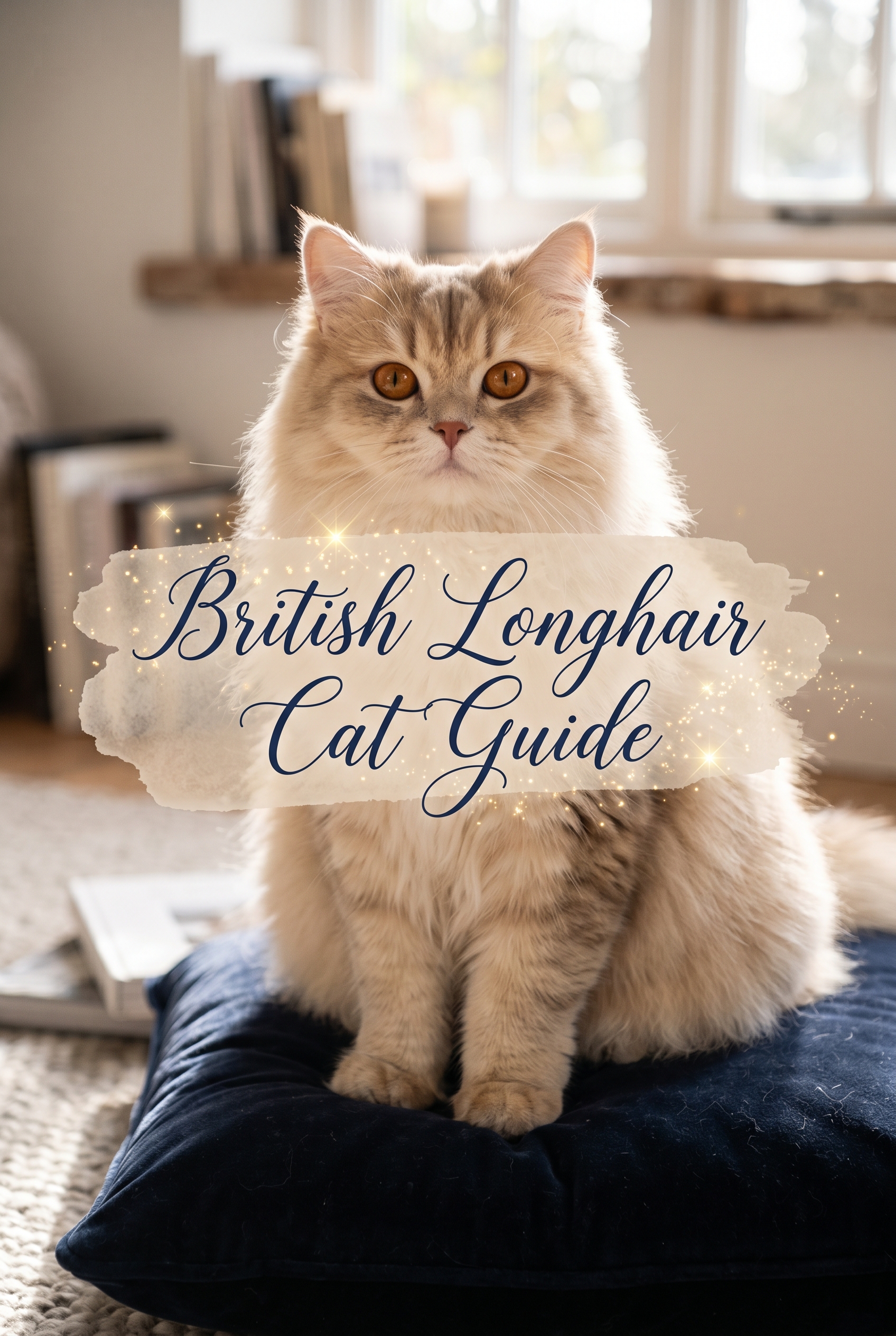
Meet the British Longhair, a feline breed synonymous with elegance and a relaxed lifestyle. This comprehensive guide explores everything from their Persian-influenced history to their specific grooming and temperament needs.
The British Longhair is a medium-to-large domestic cat that captures the hearts of many with its plush coat and "teddy-bear" appearance. Often described as the majestic, long-haired version of its cousin, the British Shorthair, this breed is the epitome of a gentle giant.
Origin and History of the British Longhair
The British Longhair is a natural evolution of British feline history. Its long coat traces back to the early 20th century when British Shorthairs were crossed with imported Persian cats to improve hair density and roundness.
For decades, the long-haired kittens that appeared in Shorthair litters were not recognized by major registries. However, their striking beauty eventually won over the international community. The International Cat Association (TICA) officially recognized the breed in 2009, followed by the World Cat Federation (WCF).
Physical Characteristics: The Teddy Bear Cat
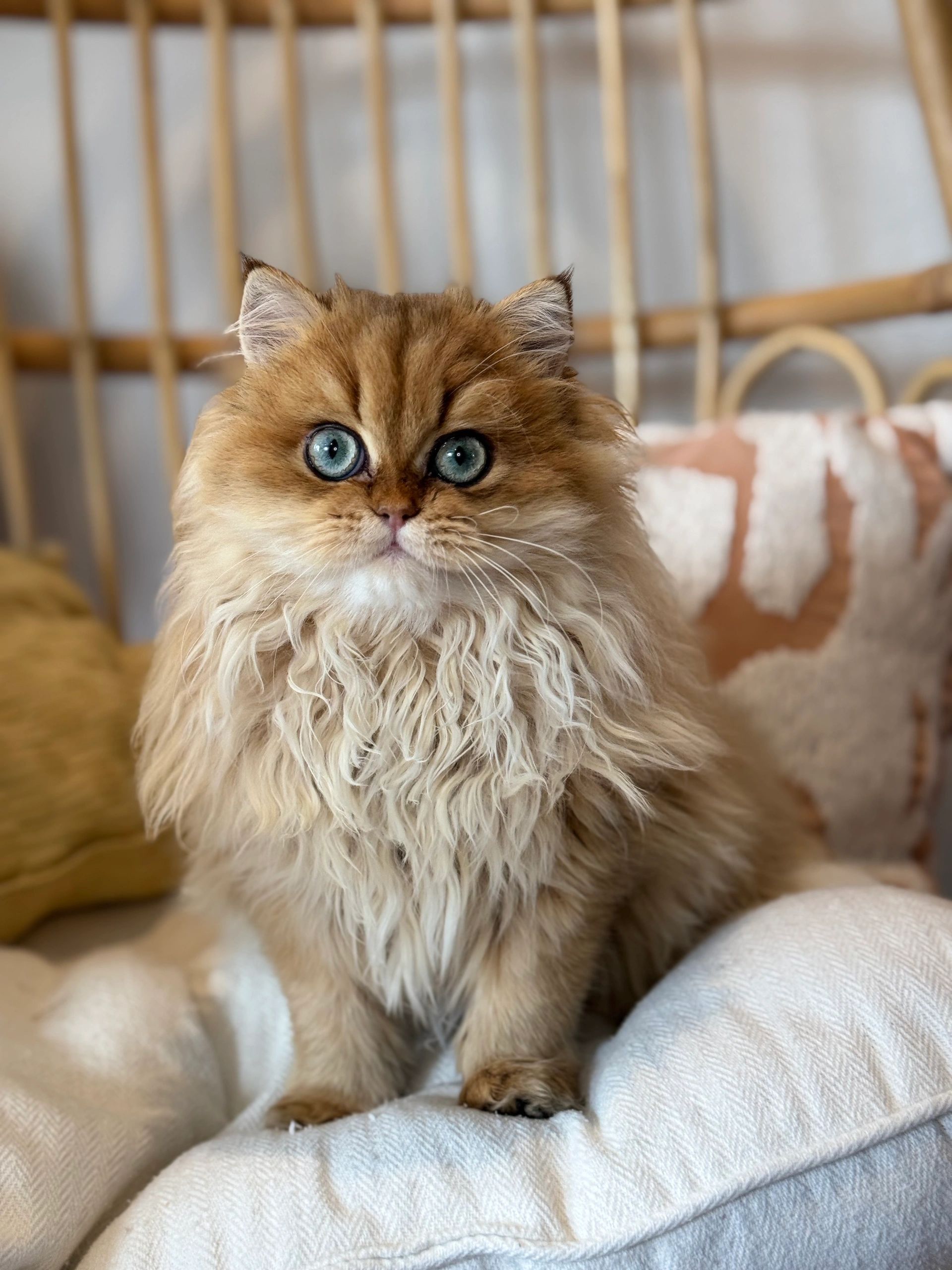
The most iconic feature of the British Longhair is its round, broad head and chubby cheeks. Their short, straight nose and rounded ears contribute to their lovable facial expression. Large, round eyes—often in deep copper, gold, or green—add to their charm.
Beyond the face, these cats possess a cobby build. This means they are sturdy, muscular, and low-slung, with broad chests and short, powerful legs. Males typically range from 12 to 18 pounds, while females weigh between 8 and 12 pounds.
A Luxurious Semi-Long Coat
The defining physical trait is the coat. It is semi-long, dense, and incredibly soft. Because the hair is weather-resistant and stands away from the body, it creates an illusion of the cat being even larger than it is. A prominent ruff often surrounds the neck, and their tail is thick and plumed.
Temperament: The Calm Lounge Lizard
If you are looking for high-energy acrobatics, the British Longhair is not the breed for you. They are famously sedentary and are often referred to as the lounge lizards of the cat world. While affectionate and loyal, they are independent, preferring to sit next to their owners rather than on top of them.
Personality and Family Life
British Longhairs are known for being extremely patient and calm. This temperament makes them excellent choices for families with children or other pets, including dogs. They are not vocal cats; instead of loud meowing, they communicate through soft, gentle chirps and purrs.
British Longhair Grooming and Care
While they look low-maintenance due to their calm nature, their coat requires regular attention. To prevent matting in their dense undercoat, owners should brush them at least two to three times per week. During shedding seasons, daily brushing is necessary.
Because of their lower activity levels, their diet must be monitored. British Longhairs are food-motivated and can easily become overweight. Providing high-quality nutrition while managing calorie intake is essential for their longevity.
Health and Longevity
The British Longhair generally enjoys a lifespan of 12 to 15 years. However, potential owners should be aware of specific genetic conditions such as Polycystic Kidney Disease (PKD) and Hypertrophic Cardiomyopathy (HCM). Responsible breeders screen for these issues to ensure healthy kittens.
Why Choose a British Longhair?
The British Longhair is the ideal pet for apartment dwellers or those seeking a quiet household companion. Their gentlemanly personality, combined with their striking physical beauty, makes them one of the most desirable breeds for those who appreciate a sturdy, loyal, and low-energy friend.
The British Longhair is more than just a beautiful face; it is a loyal, calm, and majestic companion. For those who can commit to regular grooming and weight management, this breed offers a lifetime of quiet affection and stunning beauty.