The British Longhair is the epitome of elegance and chill. Often described as a "teddy bear" in cat form, they are the perfect low-energy companion. But before you commit to that cloud of fur, you need to know what you're getting into—from the initial breeder's fee to the lifelong cost of keeping that coat looking pristine.
The British Longhair is effectively the plush, long-coated cousin of the famous British Shorthair. With those signature round faces and sturdy frames, they look like living teddy bears, which is exactly why they've become such a hit for indoor living. But before you fall for those copper eyes, you need to talk numbers. Bringing one of these fluffballs home is a real financial commitment.
Why Prices Vary by Region
What you'll pay for a British Longhair kitten usually comes down to where you live and how many reputable breeders are nearby. They aren't as common as your average house cat, and that rarity keeps the price tag pretty high.
In the United States, expect to shell out anywhere from $1,500 to $3,500. If you're looking for a "show-quality" kitten or a particularly rare coat pattern, you'll definitely be looking at the higher end of that range. Over in the United Kingdom, where the breed has a massive following, prices stick between £1,000 and £2,000. European buyers typically see tags ranging from €1,200 to €2,500. You might find cheaper kittens in Eastern Europe, but don't forget to factor in the headache and cost of international transport.
Critical Factors Impacting the Price Tag
Why does one kitten cost $1,500 while another is $3,000? It usually boils down to these details:
- Pedigree Registration: A kitten with "papers" from TICA, CFA, or GCCF will always be more expensive. These documents aren't just for show; they prove the cat’s lineage and ensure you’re actually getting a purebred British Longhair.
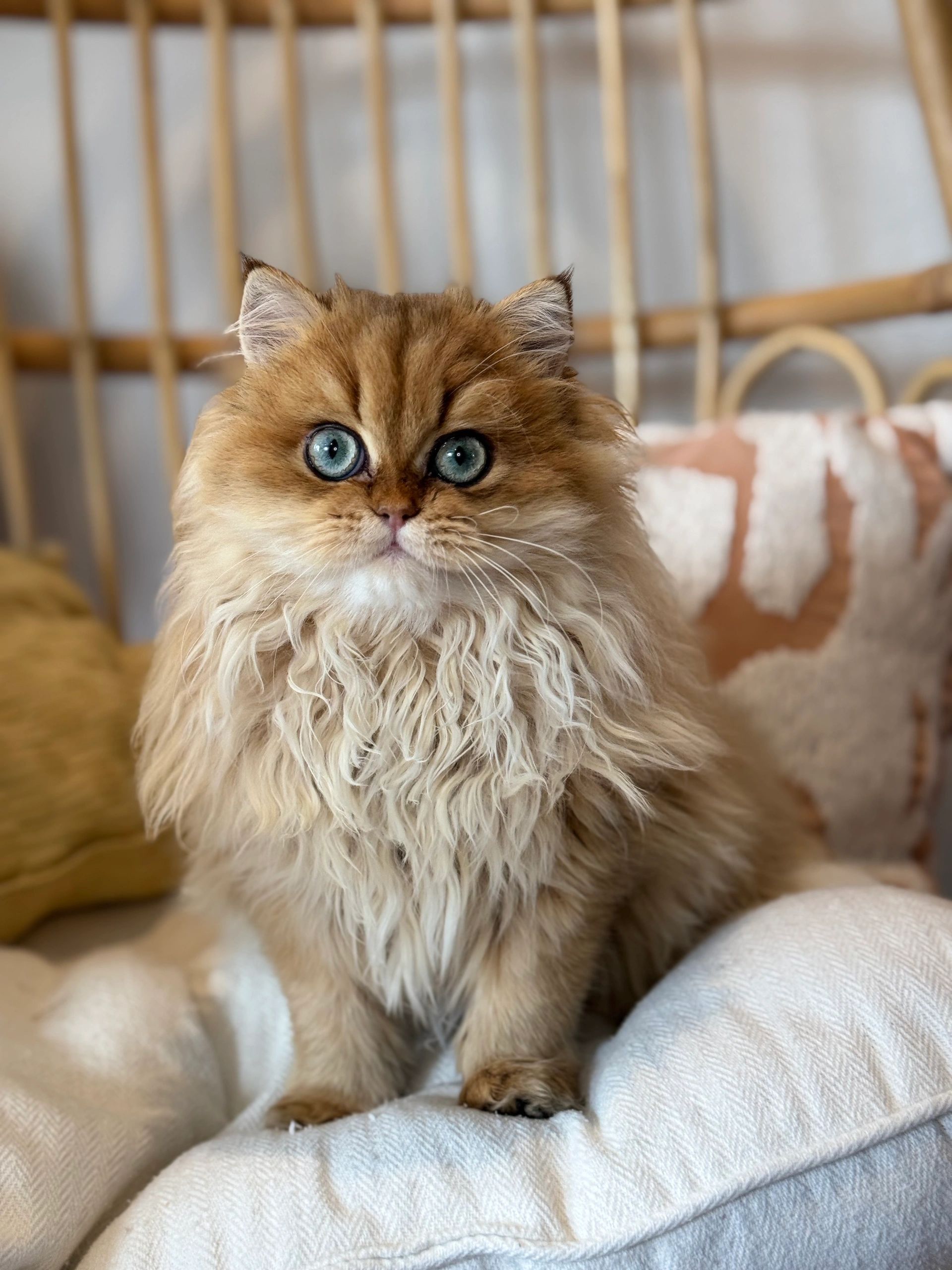
- Coat and Eye Color: The classic blue (gray) is still a fan favorite, but "Golden" and "Silver Shaded" varieties with green eyes are the current trend in the cat world. These "designer" colors usually come with a luxury markup.
- Health Screenings: Serious breeders spend a fortune on DNA testing to weed out hereditary issues like hypertrophic cardiomyopathy (HCM) and polycystic kidney disease (PKD). You pay more upfront for a kitten from a tested line, but it's much cheaper than a $5,000 emergency vet bill later.
- Breeding vs. Pet Rights: Most kittens are sold with a "pet-only" contract, meaning you have to spay or neuter them. If you want a cat with breeding rights, prepare to pay double—or even triple—the standard price.
Beyond the Purchase: Initial Setup and Monthly Costs
The price of the cat is just your entry fee. Setting up a home for a long-haired aristocrat will cost you another $400 to $800 right out of the gate. This covers the basics like sturdy scratching posts (they are heavy cats!), litter boxes, and specific grooming tools.
Since British Longhairs are among the fluffiest cat breeds on the planet, grooming isn't optional. If you can't commit to a daily brushing session, you'll need a professional groomer every few months to deal with mats, which usually runs $70 to $120 per visit. Also, these aren't small cats. Their sturdy bodies need high-quality protein, so expect to add about $50 to $100 to your monthly grocery budget.
Adoption and Rescues
If a breeder’s price makes your eyes water, don't give up. While it’s pretty rare to find a British Longhair for adoption at your local city shelter, breed-specific rescues do exist. Adoption fees are usually much more manageable—around $150 to $500—and you get the bonus of giving a home to a cat that really needs one. Whether you go through a breeder or a rescue, one thing is certain: their calm, affectionate "roommate" energy makes them worth every cent.
Owning a British Longhair is a long-term investment in a very fluffy friend. By finding a breeder who prioritizes health over profit and budgeting for that thick coat, you're setting yourself up for years of easy-going companionship. Just remember: the more you invest in their care now, the fewer surprises you'll have at the vet later.