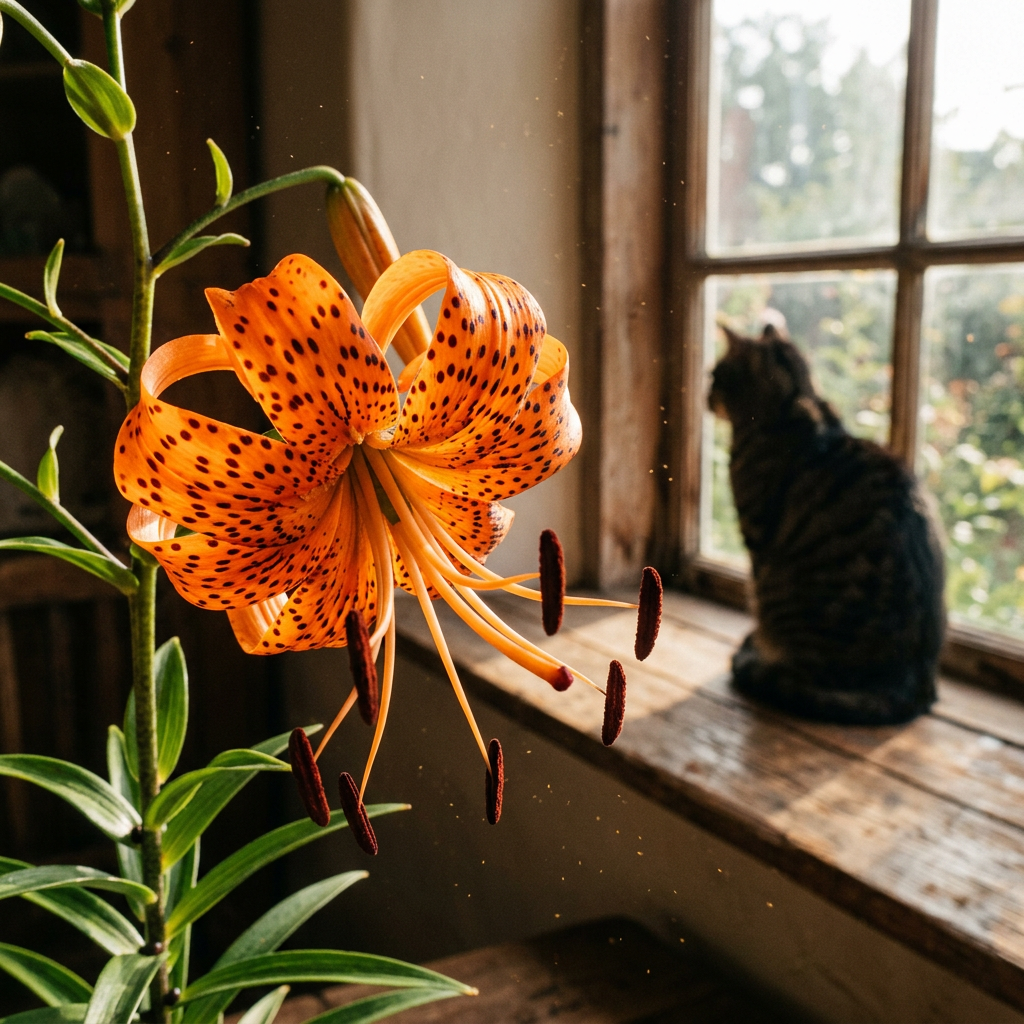

That store-bought bouquet might look perfect on your kitchen island, but for a cat, it's a ticking time bomb. Ask any vet or pet toxicologist, and they'll tell you: lilies are among the most lethal things you can bring into a house with cats. The way these plants attack the body is incredibly aggressive. In fact, just drinking the water from a vase that once held lilies can trigger total organ failure in a matter of hours. You need to know which lilies kill, what the warning signs look like, and exactly what to do if your cat gets too close.
The invisible mechanism of organ failure
Lily toxicity isn't just a minor stomach bug; it's a terrifyingly efficient process. While most toxins require a cat to actually eat a chunk of the plant, lilies are different. They contain a water-soluble toxin that homes in on the renal tubular epithelium. Scientists are still pin-pointing the exact chemical culprit, but the results are clear: it triggers acute tubular necrosis. Essentially, the functional parts of the kidney just stop working and die.
How pollen triggers collapse
Think your cat is safe because they aren't a "plant chewer"? Think again. A single microscopic grain of pollen is enough to start a downward spiral. If a cat so much as brushes against a flower, that dust hitches a ride on their fur. Being the clean-freaks they are, cats lick that pollen off during their next grooming session. Once swallowed, the toxin starts dismantling kidney cells at a breakneck pace.
Lethal vase water
The danger isn't confined to the petals or leaves. If a lily sits in a vase, those toxins seep into the water. A curious cat taking even one sip of that water is in just as much trouble as a cat that ate a whole leaf. If you've had lilies in the house, dump that water down the drain and scrub the container with bleach before using it again -- or better yet, just toss it.
The narrow 12-hour window
When it comes to lily exposure, the clock is your biggest enemy. Irreversible damage to the kidneys usually starts between 12 and 24 hours. The data shows that cats who get aggressive IV fluid therapy within the first 18 hours have a fighting chance. But if you wait until the kidneys have already shut down to head to the vet, the odds of them coming home are slim.
Identifying the specific botanical culprits
The word "lily" gets thrown around a lot in the plant world, and not every plant using the name is a death sentence. However, you need to be able to spot the "True Lilies" (from the Lilium and Hemerocallis groups) instantly.
- Easter Lilies (Lilium longiflorum): These are everywhere in the spring -- avoid them like the plague.
- Tiger Lilies (Lilium lancifolium): Easy to spot by their dark spots and petals that curl backward.
- Daylilies (Hemerocallis): Common in gardens; keep in mind that every single part of this plant is lethal.
- Stargazer and Oriental Lilies (Lilium orientalis): Beautiful, incredibly fragrant, and incredibly dangerous.
- Asiatic Lilies (Lilium asiatica): These are the colorful "filler" flowers you see in cheap grocery store bouquets.
Just to clear up some confusion: Peace Lilies and Calla Lilies aren't "True Lilies." They'll make your cat drool and give them a very sore mouth, but they won't cause the total kidney collapse that the others do. On the other hand, Lily of the Valley is a different kind of nightmare -- it attacks the heart rather than the kidneys.
Spotting the symptoms before it is too late
The scary thing about lily poisoning is that the early signs look like a typical "upset stomach." Don't be fooled.
Within the first 12 hours, keep a sharp eye out for signs of cat poisoning:
- Drooling more than usual
- Vomiting (you might see bits of leaves or stems)
- Refusing to eat
- Acting suddenly sluggish or "off"
Between 12 and 24 hours, the kidneys start to fail. You might notice your cat is dehydrated or their peeing habits have changed -- either going way too much or not at all. By the 24 to 72-hour mark, the cat is in full-blown kidney failure. At this stage, you might see tremors or seizures. If you wait for the "big" symptoms to show up, the damage is likely permanent.
The emergency protocol and safe alternatives
If you think your cat touched a True Lily, stop reading this and go. Don't wait to see if they get sick.
- Stop the grooming: Get the cat away from the plant. Check their fur for pollen and wipe it off immediately so they don't lick it.
- Rush to the ER: This is a "leave the dishes in the sink" emergency. Get to a vet clinic right now. Tell them "lily exposure" the second you walk in -- most clinics will bump you to the front of the line.
- Grab the evidence: Take the plant with you (in a bag) or snap a photo of the tag so the vet knows exactly what they're dealing with.
Creating a safe home
The only way to be 100% safe is a strict "no lilies allowed" policy. If someone sends you a bouquet, check it immediately. If it has lilies, give it to a neighbor who doesn't have pets. You can still have a beautiful home with these cat-friendly houseplants:
- Roses: Just make sure the thorns are clipped.
- Sunflowers: Big, happy, and totally safe.
- Gerbera Daisies: Perfect for a pop of color.
- Orchids: Stick to the Phalaenopsis (Moth Orchid) variety.
- Snapdragons: Great for adding some height to an arrangement.
Take five minutes right now to walk through your house and garden for cat-proofing. It's a small effort that could literally save your cat's life.
Conclusion
Protecting your cat means being a bit of a detective and a lot of a bodyguard. Because a single lick of water or a stray grain of pollen can end in tragedy, the simplest move is to banish lilies from your home and garden for good. If the unthinkable happens and your cat hangs around a lily, don't play the "wait and see" game. Every minute you spend waiting is a minute their kidneys are under fire. Get to the vet immediately -- it is truly the only way to save them. Take a quick look at your houseplants today; is that bouquet really worth the risk?
Protecting your cat means being a bit of a detective and a lot of a bodyguard. Because a single lick of water or a stray grain of pollen can end in tragedy, the simplest move is to banish lilies from your home and garden for good. If the unthinkable happens and your cat hangs around a lily, don't play the "wait and see" game. Every minute you spend waiting is a minute their kidneys are under fire. Get to the vet immediately -- it is truly the only way to save them. Take a quick look at your houseplants today; is that bouquet really worth the risk?