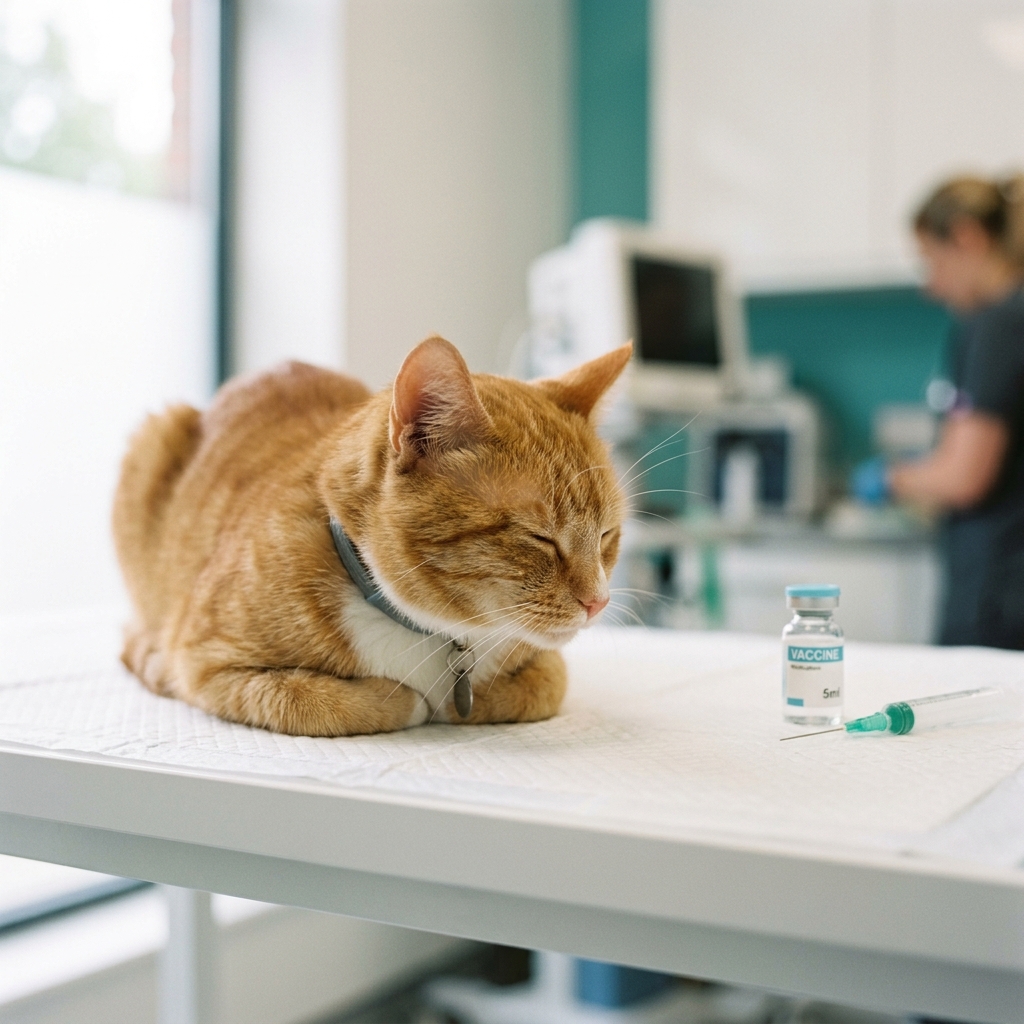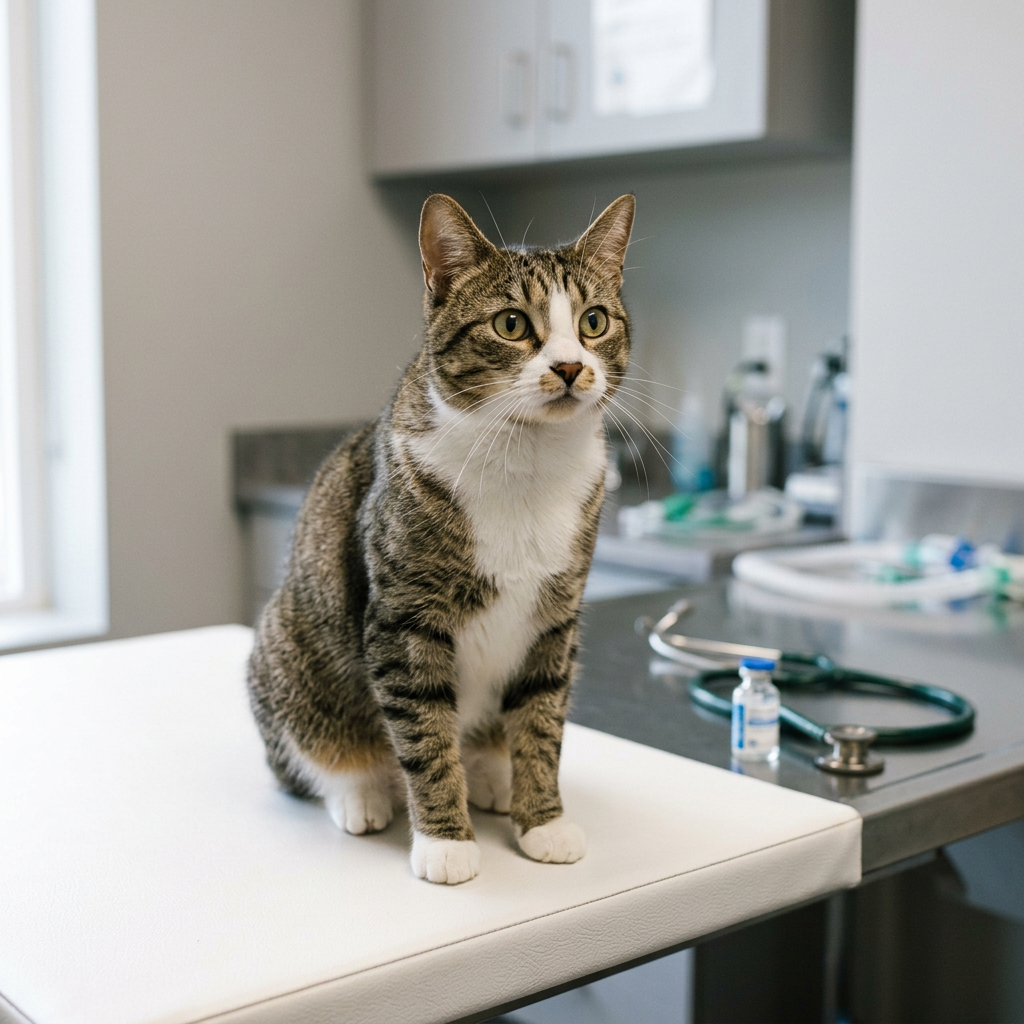
Convenia (cefovecin sodium) is a widely used antibiotic in veterinary medicine, valued for its convenience. Unlike oral tablets that require daily administration, a single injection provides a full course of treatment for bacterial skin infections. However, this convenience comes with a unique pharmacological profile: the drug remains in a cat's system for up to 65 days. While most cats tolerate it well, an allergic reaction to Convenia poses a significant challenge because the medication cannot be removed once administered.
Understanding Convenia and Its Use in Cats
Convenia is a third-generation cephalosporin antibiotic. In the world of feline medicine, vets reach for it primarily to knock out skin infections, wounds, and those nasty abscesses caused by Pasteurella multocida. It is unique because of its high protein-binding affinity -- basically, it sticks around in the tissues and releases slowly over time, rather than washing out in a few hours.
If you have ever tried to shove a pill down the throat of a cat who has turned into a miniature circular saw, you know why this injection is popular. It saves everyone a lot of stress. But since it is in the penicillin and cephalosporin family, there is always a baseline risk of a hypersensitivity reaction. Many owners wonder is Convenia safe for cats given its long duration in the body.
The Unique Challenge of a Long-Acting Injection
The thing about Convenia is its staying power. If your cat has a reaction to a standard antibiotic pill, you simply stop giving the medication, and it is usually out of their system within a day or two. Not so with Convenia. This drug lingers at detectable levels for over two months. If a cat turns out to be allergic, you cannot just "un-inject" it. You are looking at a long-term commitment to managing that reaction while the drug slowly wears off. It is important to distinguish between a true allergy and more common Convenia side effects in cats like mild nausea.
Recognizing Acute Allergic Reactions (Anaphylaxis)
Anaphylaxis is a full-blown emergency. You will usually see these signs within minutes or a few hours of the appointment.
- Facial Swelling (Angioedema): This is hard to miss. The muzzle, eyes, or ears might puff up, making your cat look "distorted" or like they are struggling to peek through their eyelids.
- Respiratory Distress: Watch the chest and throat. If they are wheezing, gasping, or taking rapid, shallow breaths, their airway could be narrowing. This is a "get in the car now" situation.
- Violent Vomiting or Diarrhea: A little bit of nausea is one thing, but sudden, repetitive vomiting or explosive diarrhea is a classic sign of a systemic shock.
- Sudden Collapse: If your cat goes limp, has pale or bluish gums, or loses consciousness, their blood pressure has likely bottomed out.
- Hives and Urticaria: You might feel little bumps under the fur. They usually itch like crazy, so watch for frantic scratching or over-grooming.
Identifying Delayed Adverse Reactions
Because Convenia hangs around for so long, some cats do not react immediately. You might notice things starting to go sideways a few days later.
Severe Lethargy and Anorexia
Is your cat hiding in the back of the closet? Refusing their favorite tuna? If they stop grooming and won't engage with anything, don't just write it off as "tiredness from the vet." Total withdrawal is a major red flag.
Gastrointestinal Distress
It is not uncommon for sensitive cats to start vomiting three to five days after the shot. This is a slippery slope -- if a cat stops eating, they can quickly develop fatty liver disease (hepatic lipidosis) on top of everything else.
Neurological Symptoms
Though rare, some cats develop ataxia -- which looks like they're walking drunk or cannot quite coordinate their legs. Seizures or full-body tremors are even rarer but require an immediate trip to a neurologist or emergency vet.
Injection Site Reactions
Check the spot where the needle went in (usually the scruff of the neck). Keep an eye out for:
- Patches of hair falling out.
- Angry red "hot spots."
- Hard lumps or painful heat coming from the skin.
Immediate Steps to Take if You Suspect a Reaction
If your gut tells you something is wrong, trust it. Don't "wait and see." Familiarizing yourself with cat first aid can be helpful when dealing with sudden health changes.
- Call the Vet Now: If it is after hours, head straight to an emergency clinic.
- Lead with the Medication Name: Tell the front desk immediately: "My cat had a Convenia injection on [Date]." This is critical because it tells the vet they are dealing with a long-term allergen.
- Don't Try to Induce Vomiting: Since the drug was injected, it is already in the blood and tissue. Trying to make them vomit won't help and could actually cause them to choke.
Veterinary Management of Convenia Reactions
How do you treat a "permanent" problem? Vets focus on managing the symptoms and tamping down the immune system's overactive response.
Acute Emergency Care
For a total collapse or anaphylaxis, the vet will use epinephrine to stabilize blood pressure and open those airways. They will also likely use antihistamines like diphenhydramine to stop the hives and swelling in their tracks.
Corticosteroid Therapy
Steroids are the big guns here. They help shut down the allergic response. Because Convenia lasts for weeks, your cat might need to stay on a tapering dose of oral steroids to make sure the reaction doesn't flare back up as soon as the first dose of medicine wears off.
Supportive Fluids and Anti-Nausea
If your cat has been vomiting, they are likely dehydrated. IV fluids and meds like Cerenia can help settle their stomach and get them interested in food again, which is vital for their recovery.
The "Bridge Therapy" Concept
Convenia has a half-life of about 6.9 days in felines. It takes a long time for those levels to drop to a "safe" zone. If the reaction is severe, your cat might need "bridge therapy" -- basically staying on allergy-suppressing meds -- for several weeks until the body finally clears enough of the antibiotic to stop reacting.
Prevention and Future Precautions
If your cat has a bad experience with Convenia once, they should never have it again. Period.
Medical Records
Make sure "ALLERGIC TO CONVENIA" is written in big, bold letters on their file. If you go to a new vet, a groomer, or a boarder, mention it first.
Cross-Reactivity
Heads up: if they are allergic to Convenia, they might also react to other drugs in the same family, like Simplicef, Cephalexin, or even Amoxicillin. Your vet will need to pivot to entirely different classes of drugs, such as Clindamycin, for future issues.
Summary Checklist for Cat Owners
- The 24-Hour Watch: Don't let your cat out after the shot; keep them where you can see them.
- The "Face Check": Sneak a peek at their muzzle and eyes every few hours for swelling.
- Monitor Intake: Are they eating? Are they drinking? If the bowl stays full, call the vet.
- Behavioral Baseline: Are they acting like themselves, or are they hiding in the basement? Unusual behavior is a valid reason to be concerned.
While Convenia is a highly effective tool for treating feline infections, its long-acting nature demands vigilance from pet owners. Most cats will experience no side effects, but for those that do, the reaction can be prolonged and complex. By recognizing the signs of facial swelling, respiratory distress, and lethargy early, you can ensure your cat receives the life-saving supportive care needed to navigate the drug's duration in their system.
Medical Disclaimer: This article is for informational purposes only and does not constitute medical advice. An allergic reaction to any medication is a veterinary emergency. If your cat is showing signs of distress, contact a licensed veterinarian or emergency animal clinic immediately. Do not attempt to treat an allergic reaction at home with human medications without professional guidance. This site does not provide medical diagnoses or treatment recommendations. For more information on drug safety, consult the American Veterinary Medical Association (AVMA) or the AAHA guidelines.