
If you've ever tried to shove a pill down the throat of a cat who has decided they aren't having it, you know the struggle is real. The "pilling" battle usually ends in scratched arms, a stressed-out cat, and a pill hidden under the sofa three hours later. This is exactly why Convenia (cefovecin sodium) has become a lifesaver in vet clinics everywhere.
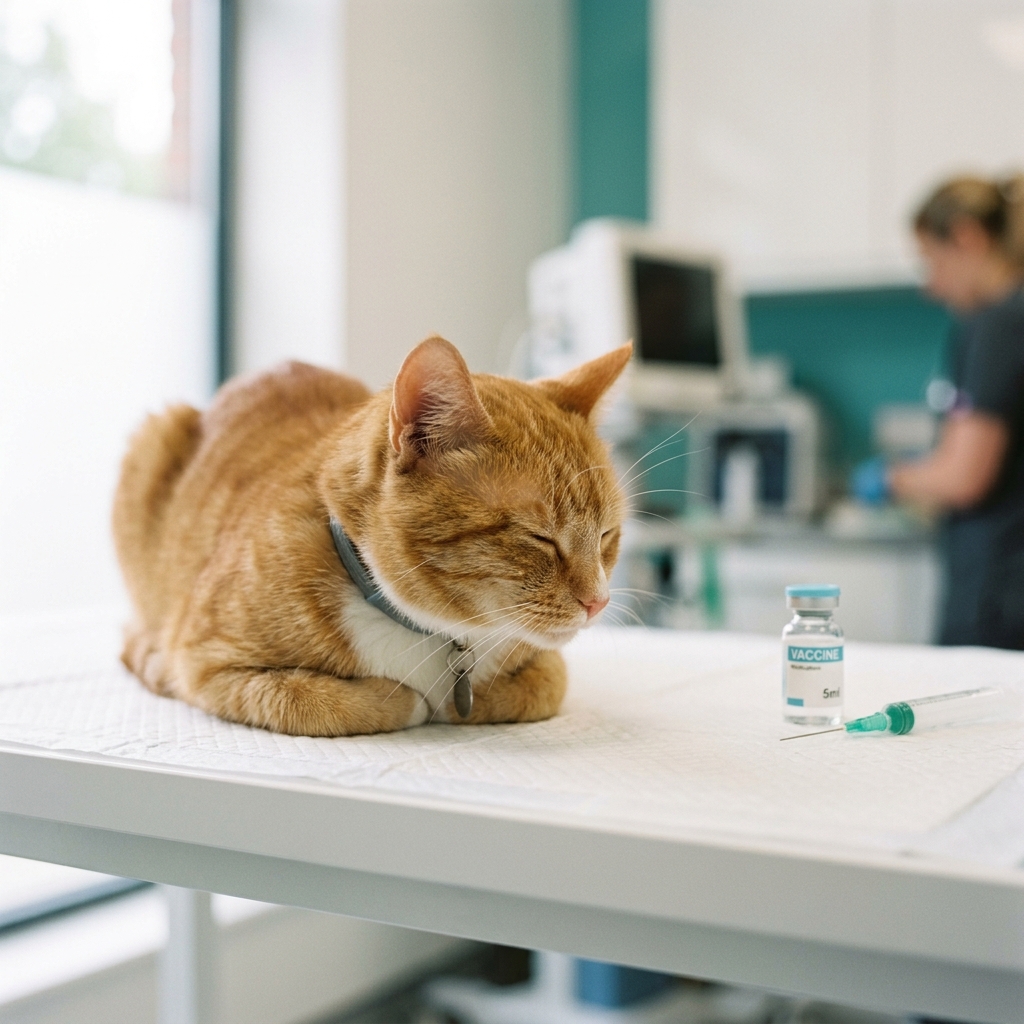
Convenia is a long-acting injectable antibiotic that knocks out a full course of treatment with just one shot. It is incredibly convenient, but because it stays in a cat's system for weeks, it is natural to wonder: is it actually safe? Let's dive into the science, the perks, and the genuine risks you need to know about.
What is Convenia (Cefovecin Sodium)?
Think of Convenia as a specialized tool engineered specifically for cats and dogs. It is not just a human drug we have modified for pets; it was built to handle the unique way their bodies process medication.
Drug Class and Mechanism
Cefovecin sodium belongs to the third-generation cephalosporin family. These are "bactericidal," which is just a fancy way of saying they don't just put bacteria to sleep -- they actively kill them. They do this by sabotaging the construction of the bacterial cell wall. Once that wall fails, the bacteria literally pop and die.
The Science of Longevity
What makes Convenia a game-changer is how long it sticks around. Most oral antibiotics are in and out of the body in hours, which is why you have to keep shoving pills down your cat's throat. Convenia, however, latches onto proteins in the blood. These proteins act like a slow-release reservoir, dripping the medication into the system over a long period.
According to FDA-approved labeling, while it actively fights infection for about 14 days, the drug can stay in a cat's system for up to 65 days.
When Do Veterinarians Prescribe Convenia?
Convenia isn't a "one size fits all" solution. It is a targeted strike against specific bugs -- mostly Gram-positive and some Gram-negative organisms. While the FDA technically approved it for skin issues, vets often use it "off-label" for other stubborn infections.
1. Skin and Soft Tissue Infections
This is where Convenia shines. If your cat has a nasty abscess from an outdoor scuffle, Pasteurella multocida is likely the culprit, and Convenia handles it beautifully. It is also the go-to for pyoderma (bacterial skin infections).
2. Urinary Tract Infections (UTIs)
It is not usually the first choice for a UTI, but if a lab culture shows the bacteria is sensitive to cefovecin, your vet might reach for it -- especially if your cat is a nightmare to medicate at home.
3. Dental Infections
Ever tried to put a pill in a mouth that has just had teeth pulled? It is miserable for everyone. Convenia is often used post-extraction to keep infections at bay while the mouth heals.
4. The "I Value My Fingers" Factor
Let's be honest: some cats are "fractious" -- the polite vet term for a cat that will shred your arms if you try to pill them. Convenia ensures the cat gets the full 14 days of treatment without a single scratched finger or a broken bond between you and your pet.
Is Convenia Safe for Your Cat?
For most cats, Convenia is smooth sailing. It has been through the ringer of clinical trials to get that FDA stamp of approval. But the very thing that makes it great -- the fact that it lasts forever -- is also its biggest risk.
The "No-Recall" Risk
This is the one thing you absolutely must understand: You cannot "un-inject" Convenia. If you give your cat a pill and they have a bad reaction, you simply stop giving the pills and the drug clears out in a few hours. If a cat has an allergic reaction to Convenia, that drug is in their system for two months. There is no way to flush it out faster.
Contraindications and Precautions
- Known Allergies: If your cat has ever reacted badly to penicillin or other cephalosporins, Convenia is a hard no.
- Age Limits: We don't know if it's safe for kittens under 4 months old yet.
- Kidney Health: Because the kidneys do the heavy lifting of clearing the drug, use caution if your cat has chronic kidney disease (CKD).
- Breeding and Pregnancy: We don't have enough data to say it is safe for pregnant or nursing moms.
Potential Side Effects of Convenia
Most side effects are minor and show up within the first day or two.
The Usual Suspects
- Vomiting
- Loose stools or diarrhea
- A "meh" attitude toward food (decreased appetite)
Behavioral Quips
You might notice your cat acting a little off:
- Lethargy: Just being a bit of a couch potato.
- Hyperactivity: Occasionally, a cat might get a bit restless or vocal.
Injection Site Reactions
You might feel a tiny lump or some sensitivity where the needle went in. It usually disappears on its own in a few days.
Rare but Serious Adverse Reactions
These are documented in the Merck Veterinary Manual, and while rare, they are serious. Get to an ER vet immediately if you see:
Anaphylaxis
This is a full-blown emergency. Watch for:
- A swollen face or muzzle.
- Gasping or struggling to breathe.
- Sudden weakness or collapse.
- Pale (not pink) gums.
Blood and Systemic Issues
In very rare cases, the body can overreact:
- Immune-Mediated Hemolytic Anemia (IMHA): The body starts attacking its own red blood cells.
- Leukopenia: A crash in white blood cell counts.
Neurological Red Flags
Extremely uncommon, but possible:
- Muscle tremors or seizures.
- "Drunken" walking or loss of coordination (ataxia).
What to Watch For: Post-Injection Monitoring
Keep a close eye on your cat for the first week. Even though most reactions happen early, the drug is active for a while.
The 48-Hour Window
It is normal for a sick cat to be quiet, but they should still want to eat and be able to get to the litter box without trouble.
The 2-Week Stretch
- Hydration check: If diarrhea hits, they can get dehydrated fast. Do the "skin tent" test -- pinch the skin on their neck; if it doesn't snap back instantly, they need fluids.
- The 24-Hour Rule: If your cat stops eating for a full day, call the vet. Cats can develop "fatty liver disease" quickly if they go on a hunger strike.
- Skin Check: Look for new rashes or constant scratching.
Choosing Between Convenia and Oral Antibiotics
So, should you go with the shot? Here is the breakdown.
Go with Convenia if:
- Pilling your cat is a physical impossibility.
- You have a disability that makes handling medication difficult.
- Your cat's stomach is so sensitive they can't keep oral meds down.
- It is a straightforward skin infection.
Stick with Oral Meds if:
- Your cat has a history of drug allergies.
- Your cat has advanced kidney disease.
- Your cat is a "pro" at taking pills (especially in a Treat Pocket).
- The infection is complex and might require switching drugs mid-stream.
Questions to Ask Your Veterinarian
Don't be afraid to grill your vet a little before they prep the syringe:
- Is there anything in my cat's history that suggests a penicillin allergy?
- Did the recent blood work show their kidneys are up for this?
- Are we sure this specific bacteria will respond to Convenia?
- Where should I go if things go south at 2:00 AM?
Medical Disclaimer: This article is for informational purposes only and does not constitute professional veterinary advice, diagnosis, or treatment. Always seek the advice of your veterinarian or other qualified animal health provider with any questions you may have regarding a medical condition or medication for your pet. Never disregard professional advice or delay seeking it because of something you have read online.
Convenia is a bit of a medical marvel for cat owners who have spent years fighting the "pilling battle." For the vast majority of our feline friends, it is a safe, effective way to clear up painful infections without the daily trauma of forced medication.
Just remember that because it is a "long-stay" guest in your cat's system, it is a decision that shouldn't be made on autopilot. Talk to your vet, check those kidneys, and keep a close eye on your kitty for a few days. Modern medicine is amazing -- especially when you know exactly what to watch for.