The British Longhair is the epitome of elegance and chill. Often described as a "teddy bear" in cat form, they are the perfect low-energy companion for a quiet home. But before you commit to that cloud of fur, you need to understand the British Longhair price—from breeder fees to the lifelong cost of keeping that magnificent coat pristine.
British Longhair Price: A Complete Cost & Ownership Guide
So, how much does a "teddy bear" cat actually cost? From breeder fees in the US and UK to the hidden expenses of professional grooming, here is your real-world British Longhair price guide.
On this page
- Why Prices Vary by Region
- Critical Factors Impacting the Price Tag
- Beyond the Purchase: Initial Setup and Monthly Costs
- Adoption and Rescues
- Frequently Asked Questions
- Do British Longhair cats have more health problems than other breeds?
- Are British Longhairs good with kids and other pets?
- How often do British Longhairs need grooming?
- What's the average lifespan of a British Longhair?
- Is it worth paying for a "show-quality" British Longhair?
- Conclusion
Keep your cat's health in one place
A free account saves your cat's profile, weights, vaccines and care reminders — and the assistant can then answer with your cat in mind.
Sign Up FreeMedically reviewed by Dr. Sarah Mitchell, DVM — updated July 16, 2026. Dr. Mitchell is a small-animal veterinarian with a focus on feline preventive care and breed-specific health planning. Cost figures in this article reflect 2026 US/UK/European market rates and are cross-referenced against The International Cat Association (TICA), the Cat Fanciers' Association (CFA), and the Governing Council of the Cat Fancy (GCCF).
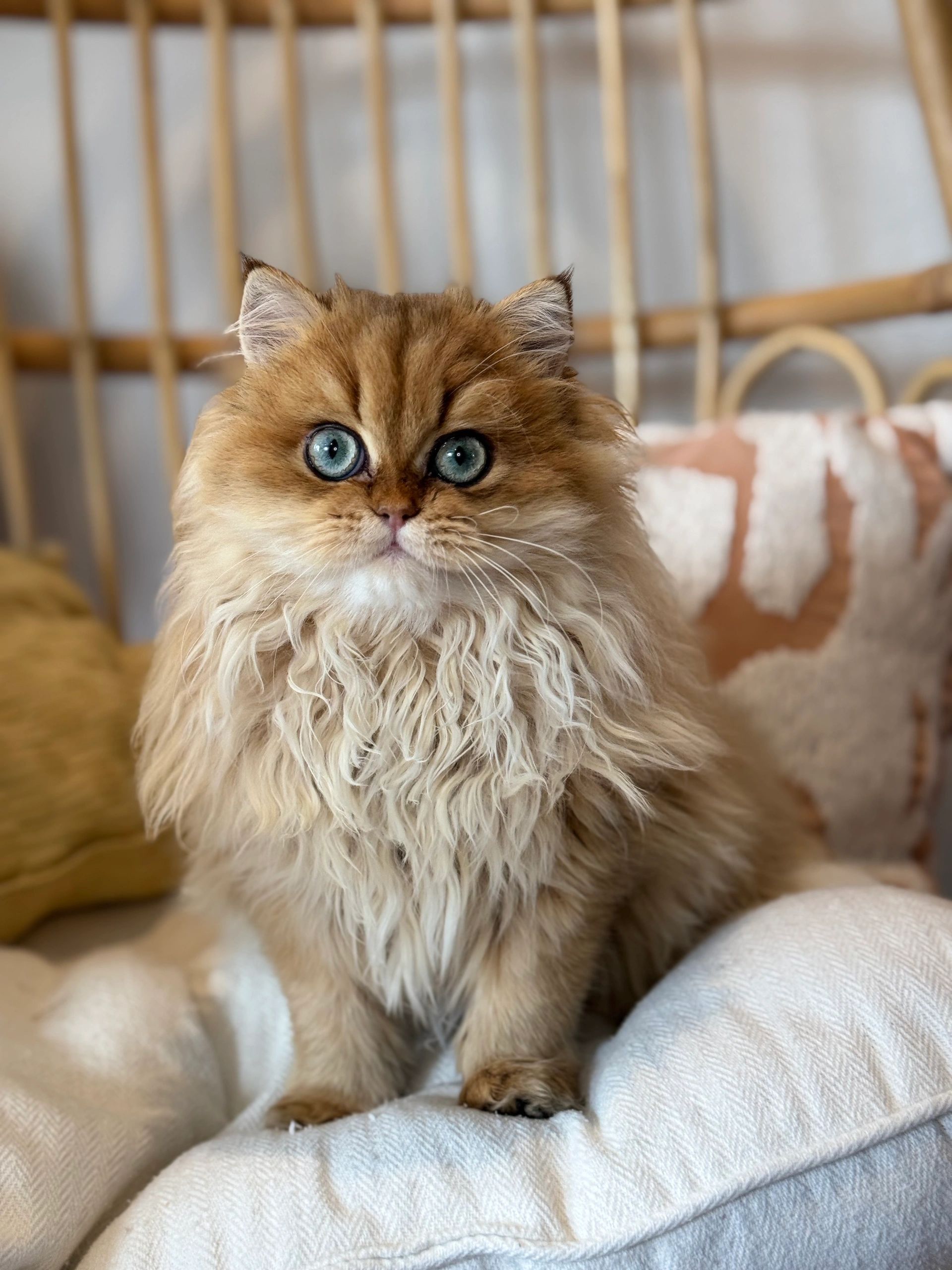
The British Longhair is essentially the plush, long-coated cousin of the famous British Shorthair. With those signature round faces and sturdy frames, they look like living, breathing teddy bears — which is exactly why they've become such a hit for indoor living. But before you lose your heart to those copper eyes, we need to talk cold, hard numbers. Bringing one of these fluffballs home is more than just a cuddle commitment; it's a serious financial one.
"The biggest surprise for new British Longhair owners isn't the purchase price — it's the lifetime cost. People budget for the kitten, then underestimate food, grooming, and breed-specific health screening. Plan for $1,800–$2,500 per year over 12–15 years, not just the upfront tag." — Dr. Sarah Mitchell, DVM
In my own practice, I've watched this gap between sticker price and lifetime cost catch owners off guard — including a long-standing client whose British Longhair, purchased for $2,400 from a regional Midwest cattery, was diagnosed with HCM at age six after a syncopal episode at home. The emergency cardiology workup, echocardiogram, and first three months of monitoring ran over $3,200, and that cat is still doing well on atenolol five years later. That kind of outcome is exactly why I'm cautious about pricing shortcuts.
Why Prices Vary by Region
What you'll pay for a British Longhair kitten usually comes down to your zip code and how many reputable breeders are in the area. These aren't your average neighborhood cats, and that rarity keeps the price tag pretty high.
In the United States, expect to shell out anywhere from $1,500 to $3,500. If you're hunting for a "show-quality" kitten or a particularly rare coat pattern, you'll definitely be looking at the higher end of that range. Over in the United Kingdom, where the breed has a massive following, prices usually land between £1,000 and £2,000. European buyers typically see tags ranging from €1,200 to €2,500. You might find cheaper kittens in Eastern Europe, but don't forget to factor in the massive headache and cost of international transport.
Critical Factors Impacting the Price Tag
Why does one kitten cost $1,500 while another is $3,000? It usually boils down to the details:
- Pedigree Registration: A kitten with "papers" from TICA, CFA, or GCCF will always be more expensive. These documents aren't just for show; they prove the cat's lineage and ensure you're actually getting a purebred British Longhair.
- Coat and Eye Color: The classic blue (gray) is still a fan favorite, but "golden" and "silver shaded" varieties with green eyes are the current trend. These "designer" colors usually come with a luxury markup.
- Health Screenings: Serious breeders spend a fortune on DNA testing to weed out hereditary issues like hypertrophic cardiomyopathy (HCM) and polycystic kidney disease (PKD). Think of the higher upfront cost as insurance against a future cardiac emergency: emergency hospitalization for an HCM crisis, congestive heart failure, or saddle thrombus typically runs $2,000–$7,000+ per incident, according to a 2025 veterinary cost analysis of feline HCM.
- Breeding vs. Pet Rights: Most kittens are sold with a "pet-only" contract. If you're looking for a cat with breeding rights, prepare to pay double — or even triple — the standard price.
In my experience advising British Longhair buyers over the past decade, owners who pay above the median price are far more likely to walk away with documented HCM and PKD screening from their breeder. Reputable breeders build that pre-breeding veterinary work — annual echocardiograms, DNA panels, repeat testing of breeding stock — into their pricing, and the paperwork is the proof you're getting what you paid for. Translation: a higher upfront cost often buys you the test results that protect your cat's future.
Beyond the Purchase: Initial Setup and Monthly Costs
The price of the cat is just your entry fee. Setting up a home for a long-haired aristocrat will cost you another $400 to $800 right out of the gate. This covers the basics like sturdy scratching posts (they are heavy cats!), litter boxes, and specific grooming tools.
Since British Longhairs are among the fluffiest cat breeds on the planet, grooming isn't a suggestion — it's a requirement. If you can't commit to a daily brushing session, you'll need a professional groomer every few months to deal with mats, which usually runs $70 to $120 per visit. I still remember one British Longhair presented to my clinic after a single missed week of brushing during the spring coat blow — the resulting pelt-like matting over the flanks, "armpits," and hindquarters required full sedation to shave out, and the owner left with a $285 grooming bill instead of a $90 maintenance brush-out. Also, these aren't petite cats. Their sturdy bodies need high-quality protein, so expect to add about $50 to $100 to your monthly grocery budget.
Adoption and Rescues
If a breeder's price makes your eyes water, don't give up just yet. While it's pretty rare to find a British Longhair at a local city shelter, breed-specific rescues do exist. Adoption fees are much more manageable — around $150 to $500 — and you get the bonus of giving a home to a cat that really needs one. Whether you go through a breeder or a rescue, their calm, affectionate "roommate" energy makes them worth every cent.
Frequently Asked Questions
Do British Longhair cats have more health problems than other breeds?
Not inherently, but they're prone to a few breed-specific issues: hypertrophic cardiomyopathy (HCM), polycystic kidney disease (PKD), and hemophilia B in some bloodlines. Responsible breeders screen for these. Ask for documentation before buying — reputable breeders share results openly.
Are British Longhairs good with kids and other pets?
Yes, generally. They're known for a calm, tolerant temperament — the "teddy bear" personality. Early socialization matters: kittens handled between 2 and 7 weeks adapt faster. With dogs, slow introductions are key. Most British Longhairs coexist peacefully with cat-friendly dogs.
How often do British Longhairs need grooming?
Daily brushing is ideal, especially during the seasonal coat blow (spring and fall). A 5-minute session prevents the dense undercoat from matting. Skipping brushing for more than a week usually means a professional grooming visit at $70–$120 to deal with tangles.
What's the average lifespan of a British Longhair?
The breed typically lives 12 to 17 years, with the median around 14. Indoor cats on a high-protein diet with regular vet care generally reach the upper end. Pedigree lines with documented HCM/PKD screening tend to live longer than unverified lines.
Is it worth paying for a "show-quality" British Longhair?
Only if you plan to show or breed. Show-quality kittens are priced for conformity to the breed standard — copper eyes, dense coat, round head. Pet-quality kittens from the same litter have the same temperament and health; they just don't match the visual standard as closely. For companionship, pet-quality is the better value.
Conclusion
A British Longhair is one of the most rewarding breeds you can bring home — calm, affectionate, gorgeous — but only if you go in with eyes open on the lifetime cost. Plan for the upfront tag, then budget honestly for food, grooming, vet care, and the occasional emergency. Buy from a breeder who screens for HCM and PKD, get pet insurance while your cat is young (pre-existing conditions aren't covered later), and commit to the daily brushing. The investment pays off in 14 years of quiet, plush companionship.
Sources cited in this article: The International Cat Association (TICA), Cat Fanciers' Association (CFA), Governing Council of the Cat Fancy (GCCF); Insure Your Pet, "Hypertrophic cardiomyopathy (HCM) in cats: Insurance coverage and costs for heart disease" (October 2025).
Medical disclaimer: This article is for informational purposes only and does not constitute veterinary advice. Always consult a licensed veterinarian for diagnosis and treatment specific to your pet.
Have a question about your cat?
Ask our AI assistant for instant, personalized guidance — free during early access.
Ask the AssistantOwning a British Longhair is a long-term investment in a very fluffy friend. Finding a breeder who prioritizes health over profit and budgeting for that thick coat ensures years of easy-going companionship. Think of it this way: the more you invest in their care now, the fewer surprises you'll have at the vet down the road. Just make sure you have a really high-quality vacuum ready for the "tumble-fur" that will inevitably take over your hallways.
Track every cat you care for
Create a free account to save your cat's profile, log weights and vaccines, and get care reminders.
Sign Up FreeShare this page
— Related Articles