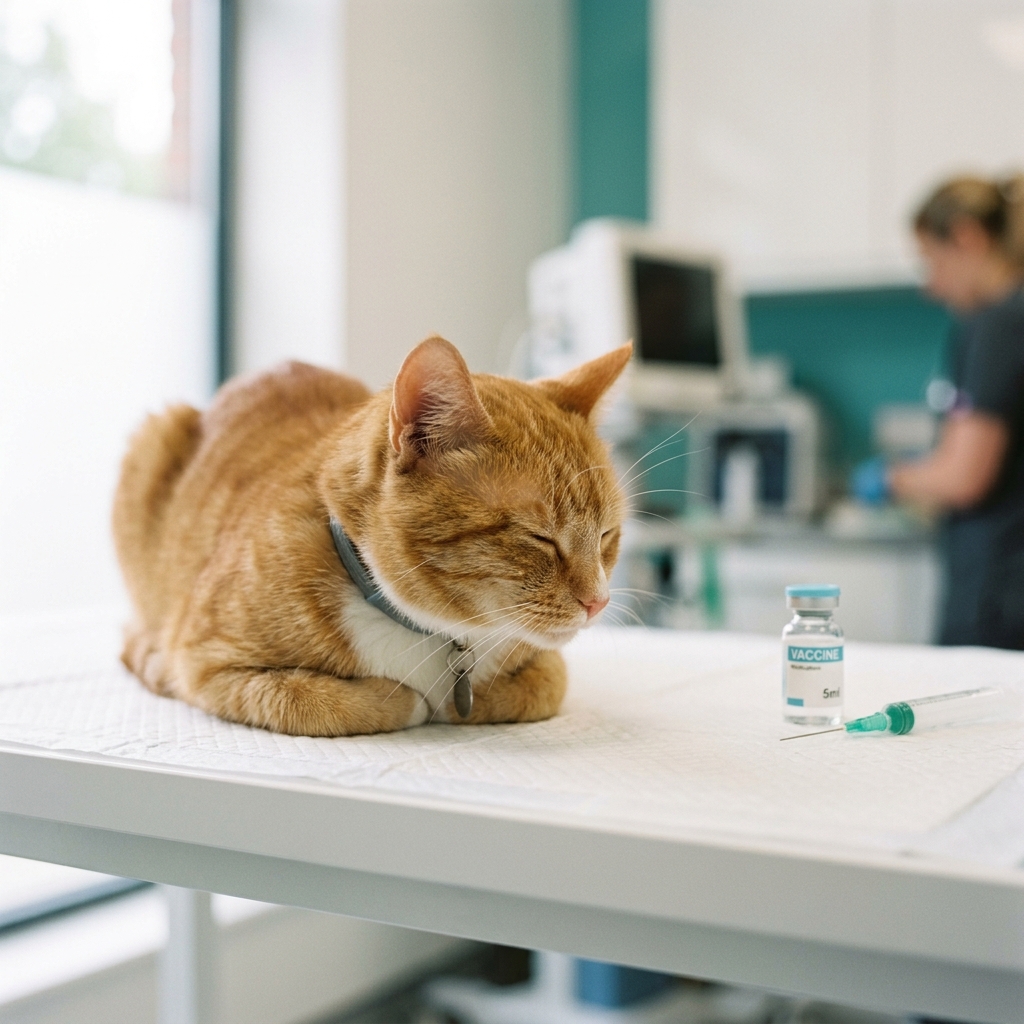

Convenia has been a lifesaver for cat owners who know the struggle of trying to shove a pill down a feline's throat. It's a "one and done" injectable antibiotic that works for weeks. But that convenience comes with a catch: once it's in, it stays in. Because it lingers in the system for so long, you need to know exactly what a normal reaction looks like versus a "get to the vet now" emergency. This guide walks you through what to watch for, from the common tummy upsets to the rare but serious stuff.
Convenia (cefovecin sodium) is a staple in many vet clinics, mostly because it saves us from the daily "wrestle the cat" routine to get a pill down their throat. One shot and you're done for two weeks. But there's a catch: because the drug sticks around in the body for 14 days and takes up to two months to fully clear out, you can't just stop the medication if your cat reacts poorly. It's already in there. That makes knowing what to look for absolutely essential.
What Exactly is Convenia?
Convenia belongs to a class of antibiotics called third-generation cephalosporins. It works by trashing the bacterial cell wall, which effectively kills the infection. Vets usually reach for it to treat nasty abscesses, infected wounds, or stubborn urinary tract infections.
What makes it different is its "high protein-binding" nature. Once it's under the skin, it releases slowly into the blood. It's convenient, sure, but remember: once it's injected, you can't "un-inject" it if things go sideways.
Common Side Effects: What to Expect
Most cats handle Convenia like champs, but some will have a bit of a rough patch. Usually, if you're going to see these mild-to-moderate issues, they'll pop up within the first 24 to 72 hours.
The Stomach Issues
Antibiotics are blunt instruments; they kill the bad bacteria, but they often take out the "good" gut flora too.
- Vomiting: Your cat might toss their cookies once or twice right after the visit.
- The Runs: Diarrhea or loose stools are pretty common while their gut microbiome tries to rebalance.
- The "Meh" Appetite: Your cat might turn their nose up at dinner for a day or two.
Change in Vibe
Don't be surprised if your cat isn't their usual self after a trip to the vet.
- Lethargy: They might just want to sleep it off in a quiet corner.
- The Jitters: Occasionally, a cat goes the other way and gets restless, vocal, or just plain cranky.
The Poke Area
Since it's a decent volume of liquid being injected, the spot can get irritated.
- Soreness: It might be tender to the touch around the scruff or flank.
- A Small Lump: You might feel a firm little bump. Don't panic -- these usually vanish on their own within a week.
Rare But Serious Red Flags
While these are statistically unlikely, the fact that Convenia stays in the system so long makes them high-stakes.
Allergic Reactions (Anaphylaxis)
This is the big one. It usually happens fast -- minutes to hours after the shot. Watch for:
- Labored breathing or wheezing.
- A puffy face or swollen eyelids.
- Sudden itching or hives.
- Dropping to the floor or fainting.
Blood Disorders
In rare cases, the immune system gets confused and starts attacking its own blood cells.
- Anemia (IMHA): Look for gums that look pale or yellowish instead of pink.
- Clotting Issues: Keep an eye out for weird bruising on the skin or inside the ears.
Neurological Glitches
It's extremely rare, but if your cat starts acting "drunk," stumbling, or has muscle tremors or seizures, they need a vet immediately.
Skin Problems
There is a horrifyingly rare condition where the skin blisters and peels. If you see the skin turning deep red or blistering, get to the ER.
Is Your Cat a Good Candidate?
Convenia isn't the right choice for every cat. Your vet should skip it if:
- History of Allergies: If they've ever reacted poorly to Penicillin, Amoxicillin (Clavamox), or Cephalexin, stay away from Convenia. The risk of a cross-reaction is high.
- Kittens: It's not cleared for use in kittens under 4 months.
- Moms-to-be: We don't have enough data on how it affects pregnant or nursing cats.
- Kidney Issues: The kidneys do the work of clearing this drug. If your cat has Chronic Kidney Disease (CKD), a shorter-acting antibiotic is much safer.
Monitoring Your Cat Like a Pro
For the first two weeks after the shot, keep a close eye on them. Here is your daily checklist:
The Gum Check
Flip your cat's lip. You want to see vibrant bubblegum pink.
- Pale/White: Signal of shock or anemia.
- Yellow: Liver distress or blood cell destruction.
- Blue/Purple: They aren't getting enough oxygen. This is a "drive-to-the-ER-now" situation.
Food and Water
Cats can get liver damage (fatty liver) if they stop eating for even two days. If they won't eat, call the vet for an appetite stimulant.
"The Hides"
If your cat disappears under the bed and won't come out for 24 hours, or if they seem confused or wobbly, something is wrong.
Convenia vs. Pills: The Trade-off
| Feature | Convenia (The Shot) | Oral Meds (The Battle) |
|---|---|---|
| Frequency | Once every 2 weeks | 1-2 times every day |
| Stress Level | One bad day at the vet | Twice-daily wrestling matches |
| Compliance | 100% (it's already in them) | Low (if they spit the pill out) |
| Safety Net | Can't stop it once it's started | Stop it immediately if they react |
For feral cats, aggressive cats, or owners whose schedules are a mess, Convenia can be a literal lifesaver. It guarantees the infection gets treated.
When to Hit the Panic Button
If you see these "Red Flags," don't wait for a callback. Go to the emergency vet:
- Open-mouth breathing: Never normal in a cat.
- Swollen Face: Could block their airway.
- Seizures or Tremors: Serious neurological distress.
- Icterus: Yellowing of the eyes or skin.
- Non-stop Vomiting: They'll get dehydrated and lose electrolytes fast.
3 Questions for Your Vet
Before they give the shot, ask these:
- "Is there any history of penicillin or cephalosporin allergies in my cat's file?"
- "Is my cat easy enough to pill that we could try an oral version first?"
- "Which emergency clinic should I use if they react after you close for the weekend?"
Write down the date of the injection. If your cat ends up at an ER three weeks from now, that vet needs to know there's still cefovecin working in their system.
Action Checklist
| Severity | What you see | What to do |
|---|---|---|
| Mild | One-time puke, a bit sleepy, loose stool | Watchful waiting; call your vet to update them. |
| Moderate | Site swelling, skipping meals for 24h | Call for a check-up and some supportive care. |
| Severe | Gasping for air, white gums, seizures | Get in the car and go to the ER. |
Convenia is a powerhouse for clearing up deep infections without the trauma of daily pilling. Just stay vigilant, keep an eye on those gums, and don't hesitate to call your vet if something feels "off" with your cat.
Medical Disclaimer: This guide is for your information only and isn't a substitute for a real vet's diagnosis. If your cat is sick, get professional help. Don't ignore your vet's advice because of something you read here. Check out the cat first aid for more professional feline care standards.
Convenia is a game-changer for feline medicine, providing two full weeks of protection in one quick poke. But because that medication is a "long-term resident" in your cat's body, you have to be their advocate. Keep a close watch on their appetite, check their gum color daily, and don't ignore your gut if their behavior shifts. Most cats do perfectly fine, but being the owner who knows the "red flags" is what keeps your cat safe. When in doubt, call your vet -- it's always better to be the "over-cautious" pet parent than to wait out a potential reaction.